
From the Toysit archive
Classical Music for Children — A Picture Gallery of Pieces
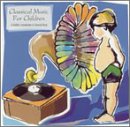
A child and a colorful gramophone introduce Classical Music for Children, with an original miniature gallery and story-label activity.
The play at a glance
A colorful horn opens onto a gallery of ideas
A child stands beside a gramophone whose horn spreads into a colorful fan against a blue background. The Classical Music for Children cover gives a visual invitation to explore: one object opens outward into many colors. The earlier fifteen-entry program offers a similar variety of titles, from moonlit piano music to dances and a march.Look for pictures in the titles
The preserved program includes “Clair de Lune,” the “Minute Waltz,” “On the Beautiful Blue Danube” and several selections from The Nutcracker. Other entries name a romance, an aria and symphony movements. A title can be a starting place for an imagined picture even before anyone chooses music.
A moonlit window, a turning wheel and a marching toy make three very different gallery exhibits. Give each picture space of its own. A visitor might notice the color of the sky, the shape of the wheel or where the toy is going, and build a story from that one detail.
Open a tiny picture gallery
Draw the three scenes on a sheet divided into panels, or on separate pages. Leave a blank title card beside each. Add one object that invites a question: an open envelope on the windowsill, a ribbon beside the wheel or a doorway at the end of the toy’s path.
Invite a visitor to name the pictures. The moonlit window could become The Letter That Arrived After Tea; the wheel might become A Journey Around the Garden. Ask for one original sentence about what happened just before the picture’s moment.
Swap roles so the artist becomes the visitor. A new title can turn the same scene into a different story. Pointing, dictating a label or adding a tiny drawing are all ways to contribute.
Make a second visit
If the group chooses to listen to a selection, leave a fresh panel nearby for another picture. Draw whatever detail comes to mind: a line, a color, a character or an imaginary place. There is no required emotion or correct scene to discover.
Arrange the pictures in a new order and let a guide lead the tour. Finish with a small guest book containing one favorite detail from each visitor. The gallery can reopen later with a different name on every label.
The historical record
Original Toysit coverage
The complete earlier coverage follows. Its developmental benefits, listening judgments and broad historical claims are preserved as historical commentary, not findings established by this renovation.
Wonderful selection of classical music for kids.
1. Clair de Lune - Goldmann, Dieter 2. Eine Kleine Nachtmusik: Romance 3. Moonlight Sonata: Adagio Sostenuto 4. Minute Waltz 5. On the Beautiful Blue Danube - Orchestra Of Vienna 6. The Nutcracker Suite: Russian Dance - London Festival Orc 7. El Amor Brujo: Danca del Terror - Radio Symphony Orch 8. Grand Valse Brillante, Waltz No. 1 Op. 18 9. From 'Scenes of Childhood' Op. 15: Knight of the Rocking Horse/Importan - Pivka, Marian 10. From 'Goldberg Variations BWV 988': Aria 11. The Nutcracker Suite: Chinese Dance - London Festival Orc 12. Symphony No. 7: Allegro con Brio - Radio Symphony Orch 13. Symphony No. 94: Menuetto - Molto, Allegro 14. The Nutcracker Suite: March - P.I. Tchaikovsky Lo 15. Sonata in C Minor, Op. 13 'Pathetique-Adagio Cantabile - Beethoven, L. Van
Introducing Children to Classical Music
Classical music, with its rich history and diverse range, offers a plethora of benefits to children, from cognitive development to emotional expression. Introducing kids to this world can be a delightful journey. Here's a guide on how to ignite a love for classical music in young hearts:
- Start Early: Children's brains are incredibly receptive to music from a young age. Play classical tunes during quiet times, bedtime, or even while they play. Over time, they'll become familiar with the melodies.
- Interactive Listening: Make the listening experience active. Ask children to identify instruments they hear, imitate the music through movement, or express how a piece makes them feel.
- Storytelling: Many classical compositions tell stories. Narrate these tales as the music plays, helping children connect emotionally. For instance, explain the story behind Tchaikovsky's "Nutcracker" or Prokofiev's "Peter and the Wolf."
- Attend Live Concerts: Take children to live performances, whether grand concerts or local recitals. Watching musicians in action can be captivating. Many orchestras even offer family-friendly concerts tailored to younger audiences.
- Music Classes: Enroll kids in music lessons. Whether they're banging on a drum, tinkering on a piano, or playing the violin, hands-on experience enhances appreciation.
- Classical Music in Modern Media: Point out classical music pieces in movies, cartoons, or TV shows they enjoy. Recognizing a familiar tune can be exciting and reinforces the relevance of classical music in modern culture.
- Games and Apps: There are numerous music apps and games that make learning about classical music fun. They can explore different eras, composers, and styles in an interactive manner.
- Books and Biographies: Introduce children to the lives of great composers. There are many illustrated children's books that detail the lives of composers like Mozart, Beethoven, and Bach in a kid-friendly manner.
- Encourage Questions: Kids are naturally curious. Welcome their questions about the music, the composers, or the instruments. Their inquiries can lead to engaging conversations and deeper exploration.
- Stay Patient: Remember, every child is different. While one might instantly connect with a symphony, another might lean towards shorter, faster pieces. It's essential to stay patient and let their appreciation grow naturally.
Above all, ensure that the experience remains enjoyable and pressure-free. The goal is to sow seeds of appreciation that will hopefully blossom into a lifelong love for classical music.
Sources and editorial notes
The original cover and fifteen-entry Toysit list establish this page’s historical subject. Point Classics catalog 504 is a retailer discovery lead; the exact package, full recording credits, truncated names and paired Schumann entry were not independently resolved. No expanded credits or release date are inferred. The earlier guide’s developmental and lifelong-benefit statements remain historical commentary. The gallery stories below are invented responses, not composer intentions or listening-test results. The activity is original to Toysit; no audio playback or physical testing occurred.
- Original Toysit coverage — Complete earlier text, program and retained cover reviewed and preserved.
Images and descriptions are retained as historical material. How Toysit covers toys.
Created for Toysit by Tabbloza — the artwork in our header.