
From the Toysit archive
Hardwood Color Blocks
Explore colored wooden blocks through shape, balance and shared building, then try making two different structures from the same pieces.
The play at a glance
A small collection of shapes, many possible buildings
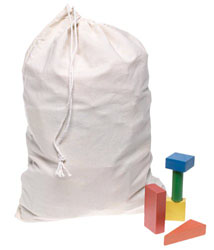
A wooden arch can become a doorway, a bridge or the beginning of an animal. Loose blocks leave those decisions with the builder. Toysit’s original Hardwood Color Blocks account describes a 200-piece assortment of colored shapes, accompanied by a cloth bag and a carrying box.
The useful starting point is a few pieces and a question: what can these shapes do together?
Sort by what a shape can do
Look for broad faces that can rest on the surface, curved edges that change the outline, and pieces that could span a gap. Sorting by a possible job gives a builder another way to choose pieces besides color.
The same shape can have more than one job. A rectangle laid flat can form a floor; upright, it might suggest a wall. Invite the builder to explain the choice rather than requiring a particular name or finished model.
Make one change and look again
For a small tabletop structure, notice which pieces touch the surface and where upper pieces rest. If a section falls, sketch what happened and change one part of the arrangement. A wider footprint or a different placement is something to observe, not a promise that every design will stand.
Building and taking apart can both be part of the activity. A photograph or quick drawing lets a builder remember an idea without keeping every model assembled.
Give a shared town room to grow
Before two people begin, mark separate building areas on a sheet of paper and leave a route between them. Each person can make a different place, then explain how a character would travel from one to the other.
Agree which pieces are shared and which are already in use. A town becomes a conversation about doors, routes and neighboring spaces, rather than a contest to use the most blocks.
Same pieces, two buildings
- Choose a manageable selection of blocks already suitable for the people playing. Draw their shapes or place them beside a sketch of your first idea.
- Make a small shelter with an entrance. Point out the entrance and describe who might use it.
- Take it apart and use the same selection to make a bridge over an imaginary stream. Pieces may be left over.
- Compare the two designs: which piece changed jobs, and which arrangement was easier to explain?
This independent activity works with an existing block collection. It does not require the historical 200-piece set or demonstrate a measured developmental benefit.
The historical record
Original Toysit coverage
The complete original description and later block-play essay are retained below. Their claims about paint, development and durability are historical wording. The reference to two seven-year-old testers belongs to that earlier account; it does not describe testing for this renovation.
200 Colored Wood Blocks.
200-piece set. Blocks build important motor skills, help critical thinking, and stimulate creative imaginations in children. Kids can work independently or cooperatively to create big construction projects. Two 7-year-old testers enthusiastically built a town for their figurines and stuffed animals. Covered in nontoxic paint, these hardwood blocks come in different shapes for imaginative building: an arch, a semicircle, round and square pillars, a triangle, a rectangle, and a square. Included is a cloth storage bag, which is handy for travel, but it's a better bet to store all 200 blocks in the sturdy cardboard packaging that doubles as a carrying case.
Unstructured sets of multi-color hardwood building blocks offer an open-ended playground for a child's imagination. Unlike specialized building kits that aim to create a specific item, these simple, tactile, and durable blocks invite endless possibilities, allowing children to be the architects of their own worlds. Whether constructing towering skyscrapers, creating intricate mazes, or building fantasy castles, the creative freedom is limitless. The variety of colors can also be an avenue for teaching kids about sorting, matching, and even basic principles of art like color theory. The hardwood material gives a satisfying heft and stability to their constructions, while also providing a sensory-rich experience. Moreover, these blocks are excellent tools for developing spatial reasoning, problem-solving skills, and fine motor coordination. The fun lies in both the process and the outcome, making these blocks an evergreen toy that can entertain and educate for hours on end.
Sources and editorial notes
This profile draws on Toysit’s original description and retained photograph. No exact maker, model label or manufacturer guide was matched. The 200-piece count, material and storage details remain attributed to that account; the photograph shows only a small selection of pieces. No product condition, paint certification or learning outcome was tested. The suggested activities are independent Toysit prompts.
Images and descriptions are retained as historical material. How Toysit covers toys.
Created for Toysit by Tabbloza — the artwork in our header.