
From the Toysit archive
Teddy Bears: A Familiar Shape and a New Story to Tell
Look closely at a classic brown teddy bear, explore the American story behind its name, and invent a three-scene homecoming for a plush companion.
The play at a glance
A familiar face, a story still to tell
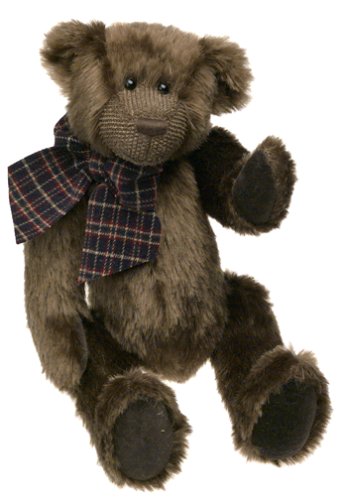
Rounded ears frame a broad muzzle. Dark pads mark the paws, and a plaid bow adds a splash of pattern against brown fur. The pictured bear seems ready for an introduction: a name, a favorite place and a reason for arriving today.
Toysit’s original description identifies this bear as Nesbit from GUND’s America’s Teddy Bear collection. Its particular appearance gives a storyteller details to work with. A different plush companion can bring a different face and personality to the same invitation.
The American story in the name
The National Park Service traces the familiar American naming story to Theodore Roosevelt’s 1902 hunting trip and his refusal to shoot a captured bear. Clifford Berryman’s political cartoon helped carry the incident to a wider audience. The actual hunt involved an injured adult bear, which was later killed; the familiar rescued-cub version changes that history.
The Smithsonian explains that the bear grew smaller and more appealing as the cartoon was redrawn. Morris and Rose Michtom then made and sold a toy bear associated with Roosevelt’s nickname. The museum treats the story of Roosevelt personally approving the name as family lore.
That history connects an event, a drawing and a toy. A bear in someone’s home begins another kind of story: the places it visits and the character its player imagines.
Let a visible detail suggest a character
Look at the ears, nose, paws and expression of a plush companion. Pick a detail and imagine what it means in a story. A wide paw might belong to a careful gardener. A solemn face might hide an excellent sense of humor. The pictured plaid bow might suggest a traveler dressed for a special arrival.
Use a toy appropriate for the player, following its own label and care guidance. An older or delicate bear can stay seated as the audience while drawings carry the action.
Try this: the bear’s first-day suitcase
This original Toysit activity uses three large paper picture cards and a doll, plush companion or drawing. Keep the cards beside the toy as a little illustrated travel record.
- Draw a place. Choose somewhere the bear has just visited: a windy hill, a busy station or a garden with an enormous sunflower. Add one detail the bear would remember.
- Draw an object. Imagine a keepsake from the journey. A map with one unusual mark or a postcard showing a blue door can suggest the next part of the story.
- Draw a friend. Decide who is waiting at home. Give that character a question about the trip.
- Tell three scenes. Begin at the place, show how the bear finds the keepsake, then bring the bear home to answer the friend’s question. Let one detail appear in all three scenes.
- Choose the last line. Finish with something the bear wants to do tomorrow. The blue door might lead to a new neighbor, or the sunflower might need a name.
For shared play, each person draws one card before anyone sees the others. Reveal them together and connect the unexpected pictures. For a quieter version, lay the cards in order and let the bear listen while you tell the journey.
The historical record
Original Toysit coverage
The complete Nesbit description and earlier naming story follow. The old account calls the hunted animal a bear cub; the institutional histories discussed above distinguish the actual animal from its later cartoon image. Original product specifications remain attributed to that earlier description.
For a classic teddy bear toy.
Nesbit is a chocolate brown, fully jointed bear from Gund's America's Teddy Bear collection. This traditional teddy is fashioned after mohair and is accented with a plaid bow around his neck. 14 inches.
The name "Teddy Bear" has a charming origin that dates back to the early 20th century. It's linked to a hunting trip involving then-U.S. President Theodore "Teddy" Roosevelt in 1902. During the trip, President Roosevelt refused to shoot a defenseless bear cub that had been tied to a tree as part of a hunting expedition, as he deemed it unsportsmanlike. This act of compassion was widely publicized, and a political cartoon featuring the president and the bear cub by Clifford Berryman further popularized the story. A Brooklyn shop owner named Morris Michtom, inspired by the cartoon, created a stuffed bear he called "Teddy's Bear" and displayed it in his store window. The toy's success led him to found the Ideal Novelty and Toy Company, and from there, the term "Teddy Bear" became synonymous with these cuddly, comforting plush companions that have since brought joy to countless children around the world.
Sources and editorial notes
The National Park Service and Smithsonian support the American naming history. The Smithsonian identifies the claimed presidential permission as family lore and describes the cartoon bear becoming smaller over successive versions. This is a US naming account, not a claim about a sole worldwide inventor. Nesbit’s size and jointing come from the retained description; no new manufacturer match, care specification or infant-use suitability is asserted. The homecoming activity is an original Toysit suggestion.
- National Park Service: Teddy Bear History — Historical account of the 1902 incident, Berryman cartoon and Michtoms reviewed.
- Smithsonian: Teddy Bear fact sheet — Museum account of the changing cartoon image and naming story; text reviewed through indexed access because direct retrieval was blocked.
- Original Toysit coverage — Complete historical text, original SSI values and recorded dates retained.
Images and descriptions are retained as historical material. How Toysit covers toys.
Created for Toysit by Tabbloza — the artwork in our header.