
Play ideas to start with
Let a visible detail suggest a character, then give the companion a small journey or returning role.
Explore earlier toys through their play ideas and historical context. Each article explains its evidence and edition limits; these selections are reading routes, not a current buying list.
A companion ready for an outing
Historical profile and play idea
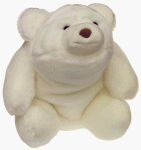
Imagine the view above a bear
Let Snuffles’ upward gaze suggest a sky picture and a three-sentence adventure.
GUND Snuffles
Historical profile and play idea

Choose the weather, choose the outing
Draw weather and outfit cards, then tell a getting-ready scene and an arrival.
What Will Little Bear Wear?
Toy history and companion storytelling
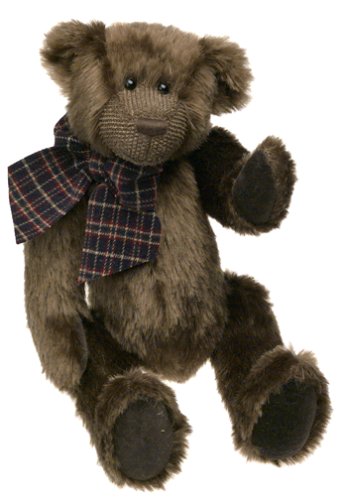
A companion with a past
Explore the American naming history, then connect three picture cards into a bear’s homecoming story.
Teddy Bears: A Familiar Shape and a New Story to Tell
Give the character a new chapter
Historical profile and play idea

Plan a character’s new symbol
Sketch an explorer’s badge or welcome message on paper and invent the occasion behind it.
Doodle Bear
Historical profile and play idea

Bring the puppy family home
Name the puppies actually present, give them little outings and gather them for a shared ending.
Puppy Surprise
Historical profile and play idea
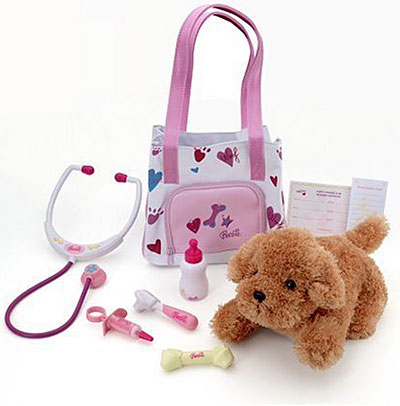
Make a pretend appointment card
Give a plush patient a name, a greeting and a next story step.
Hug and Heal Pet Doctor Puppy
Explore the collection
Find a closer look at each toy, activity or historical report, grouped by what you would like to explore. The original index remains below with its earlier titles and wording.
Bears, clothing and companion stories
Puppies, families and pretend care
- Animal Alley Plush Dog: Darby
- Cold Nose Puppy
- Hug and Heal Pet Doctor Puppy
- My Little Pony So Soft Pony: Rose Blossom
- Puppy Surprise
Drawing and character design
Voices, songs and movement
- ABC Dancer Elmo
- Chicken Dance Elmo
- Fit and Fun Care Bears
- Guess What Elmo
- Hot Dog Mickey
- LOL Laughing Elmo
- Love to Walk Baby Pooh
- My Little Pony Good Morning Sunshine
- Penbo Penguin
- Singing Boogie Blue
- Talking Care Bears
- This Is Serious Ming-Ming
- Tickle Me Elmo Surprise
- YMCA Elmo: E-L-M-O
Miniature pony settings
Toy history and storytelling
- Teddy Bears: A Familiar Shape and a New Story to Tell Toy history and companion storytelling
Choose for holding, playing and looking after
Look beyond the animal's face. Compare size, weight, construction, cleaning and any sound or movement with how the recipient will use it. Plain plush, electronic companions and display collectibles ask different things of their owner.
Compare the whole companion
A large plush animal may look impressive but be awkward to carry or store. A small one can travel easily yet have details unsuitable for a younger child. Check the intended age and actual construction rather than choosing by softness or appearance alone.
| Kind of plush | What to consider | Question to answer |
|---|---|---|
| Simple soft character | Size, weight, seams, attached details and care label | Can the recipient comfortably carry and handle it? |
| Plush with sound | Activation, volume, switch access and battery compartment | Can the sound stop when the player wants quiet? |
| Moving or interactive plush | Mechanisms, usable surfaces, cleaning and replacement needs | What remains enjoyable when it is switched off? |
| Connected storyteller | Required app, account, service and content controls | Which features still work without a connection? |
| Display collectible | Intended use, delicate fittings and storage | Is this made for children's play or for display? |
On a narrow screen, scroll the table sideways.
Read the care label before deciding
Consider where the toy will go: a playroom, outings or a place where it is likely to get dirty. Check the actual washing and drying instructions. “Surface clean” is different from permission to put the whole toy in a washing machine. An electronic compartment or removable module also needs its own directions.
- Identification: retain the maker, product name and model or batch information.
- Cleaning: find the permitted method and drying requirements before a spill happens.
- Construction: inspect seams and attached details; stop using a toy if damage exposes filling or parts.
- Extras: check detachable outfits, ribbons, accessories and battery access.
- Replacement: learn whether a missing module or accessory can be obtained for this model.
The American Academy of Pediatrics' toy-buying guidance highlights secure construction and washable stuffed toys. Use its guidance alongside the product's age label and care instructions. If the available cleaning method does not suit your intended use, choose a different toy rather than inventing a treatment.
For secondhand plush, check its identity, condition and recall status. An attractive photograph cannot establish the condition of seams, filling or an internal mechanism.
Let the animal have an ordinary adventure
A trip around the room
With a suitable plush toy, invite the player to choose a destination: a pretend shop, a friend's house or an imaginary campsite. They can name what the animal needs and describe the journey. Use age-appropriate props already available, or simply tell the story. Let the player change the destination or repeat the favorite part.
The toy does not need a recorded personality to become a character. Equally, a child may enjoy a familiar song or response. Notice which part they return to before adding a more complicated companion. Do not require the child to describe feelings or turn the story into an assessment.
For a companion based on a favorite screen character, Cartoon Characters helps turn that interest into a story, setting or other activity, while keeping the particular product’s handling and age requirements in view.
Check the quiet version as well as the demonstration
If the animal moves or talks, watch what triggers the action and how it stops. Consider whether a switch is accessible to the person who will operate it. Read whether the maker allows any electronics to be removed for cleaning; do not assume an opening in the fabric means removal is intended.
For connected toys, establish which functions need a phone, account or subscription and what happens if the service is unavailable. Check microphone controls and deletion options where relevant. See Robotic Pets for types of interaction and Interactive & Storytelling Plush for recorded and generated content.
Keep infant sleep separate from play
A stuffed animal intended for play should not be placed in an infant's sleep space. The CPSC's safe-sleep guidance calls for keeping toys out of that space. A soft appearance, nursery theme or familiar character does not make a plush toy a sleep product.
Choose according to the recipient and the product's intended use. This guide does not recommend plush toys as treatment for anxiety, grief or other health concerns, or promise developmental results. For a character that can be dressed or posed, compare Dolls. The archive below preserves earlier plush products and their original claims for historical reference.
From the Toysit archive
Earlier coverage, with original titles and descriptions preserved as historical material. These descriptions include the promotional wording and claims of their time; they are not current operating instructions, safety assurances or product recommendations. Availability, pricing and app support have not been reverified. Identify the exact model and consult its current instructions and recall information.
- ABC Dancer Elmo - Elmo dances to the ABCs.
- Plush Dog
- Beanie Babies - Teddy The Cranberry Bear Beanie Buddy by Ty.
- Singing Boogie Blue moves her arms, talks, plays, and pretends, with a brand new dance that she teaches you and a bonus video.
- Chicken Dance Elmo - One of the hottest toys of the 2002 season.
- LOL Laughing Elmo - Stuffed animal rolls on floor in laughter and has a remote control gold fish bowl.
- Fit and Fun Care Bears work out with Cheer, Funshine, Wish, and Harmony as they exercise to three songs, showing moves.
- Furby Babies - Kid Sized Puzzle: Furby by Hasbro.
- Furby Buddies - Cute, cuddly furby friends.
- Giant Teddy Bear - 36 inch Animal Alley Hughbert the Bear.
- Guess What Elmo - Guessing is always fun just like on Elmo's World.
- Little Bear
- Love to Walk Baby Pooh walking, talking, musical, programmable, sound-activated, interactive toy from Fisher Price.
- Hot Dog Mickey - Move your feet to the beat of the hot dog song with Mickey Mouse.
- Mickey's Magic Choo Choo - Move your feet to the beat of the hot dog song with Mickey Mouse.
- My Little Pony
- My Little Pony Butterfly Island adventure playset.
- Good Morning Sunshine My Little Pony.
- Cold Nose Pups plush puppy toy wags his tail, barks, whimpers, and his nose grows cold.
- Penbo penguin with baby inside - Responsive dancing plush.
- Hug and Heal Pet Doctor Puppy Barbie interactive plush pet puppy toy makes realistic sounds.
- Serious Ming-Ming - Fisher-Price this is Serious Ming Ming Wonder Pet sings, talks, and plays games with you
- Snuffles Plush
- So Soft Pony my little huggable baby toy Pink Rose Blossom with bottle, diaper, carrier, and brush.
- Care Bear Cubs Care Bear bedtime and love-a-lot cub stuffed animals come with blankies.
- Doodle Bear write messages on plush bear with glow pen washable markers.
- Doodle Monsters create creepy designs or write notes on plush monster Sketch, Inkee, and D-Zine.
- Puppy Surprise plush pink or black and white spotted, tan or butter mix, and pink or lavender poodle and pups.
- Talking Care Bears Love-A-Lot, Wish, Friend, Harmony, and Baby Hugs with pillow plush come with videos and say sweet phrases.
- Teddy Bears
- Tickle Me Elmo
- Winnie the Pooh
- YMCA Elmo dancing to the tune of Y-M-C-A while forming the letters E-L-M-O with his arms and inviting you to spell along with him.
A guide to evaluating toys, not a hands-on product test. Read our editorial approach.
Created for Toysit by Tabbloza — the artwork in our header.