
Play ideas to start with
Choose a message, motif or occasion, then carry it through a small collection. These historical profiles connect paper design, styling props and keepsake settings while keeping each material and edition distinct.
Explore earlier toys through their play ideas and historical context. Each article explains its evidence and edition limits; these selections are reading routes, not a current buying list.
Design a small collection
Historical toy profile and original play idea

Pair two messages with a shared palette
Draw two rows of letter circles, choose different friendly messages and connect them with three colors and a gift tag.
Hello Kitty Alpha Beads
Historical toy profile and original play idea

Name a three-pendant collection
Draw three pendant outlines, give them one theme and repeat a color or border so each design belongs to the collection.
Cool Jewelry Maker Case
Let a motif travel
Historical toy profile and original play idea

Make a three-shape design signature
Arrange drawn hearts, stars and flowers in three compositions, then invite a partner to choose one for a frame or pretend invitation.
LEGO Clikits Ultimate Design Studio
Historical toy profile and original play idea

Move a flower through three salon portraits
Place the same drawn flower at the crown, ponytail and scarf, then invent an occasion for each look.
Fashion Fever Barbie Styling Head
Give a keepsake its own story
Historical toy profile and original play idea
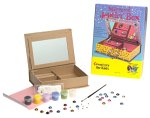
Design a treasure box inside and out
Sketch a decorated lid and three interior spaces, carrying one color between the outside and the imagined treasures within.
Mirror Jewelry Box Kit
Historical toy profile and original play idea

Open a three-drawer costume story
Make picnic, concert and garden-party cards, draw an accessory for each and swap one card to change the arrival story.
Barbie Jewelry Box
Explore the collection
Find a closer look at each toy, activity or historical report, grouped by what you would like to explore. The original index remains below with its earlier titles and wording.
Beads, motifs and paper patterns
- Alphabet Beads
- Bead Wish Kit
- Crystal Beaded Jewelry
- Hello Kitty Alpha Beads
- LEGO Clikits Ultimate Design Studio
- Metallic Die Cast Jewelry
- Power Beads Craft Set
- Safety Pin Bracelet Kit
- Ultimate Jewelry Center
Pendant collections and keepsake boxes
- 2 Girls Jewelry Box
- Barbie Jewelry Box
- Cool Jewelry Maker Case
- Madeline Jewelry Box
- Mirror Jewelry Box Kit
- Musical Jewelry Box
Hair and salon design
Cosmetic-themed paper designs
Animal grooming setting
Jewelry board game
- Pretty Pretty Princess Jewelry Game Historical game profile
Drawing an outfit, dressing a doll, assembling jewelry and styling hair are different activities. Start with the materials and tools involved, then check how much choice, help and cleanup the kit requires.
Separate designing from following a kit
Some sets offer a fixed project with a specific result. Others provide reusable templates or materials for many variations. Look at the steps the player chooses: colors, shapes, patterns, combinations or the entire design. Either approach can be enjoyable, but a picture of many finished items does not tell you how much freedom the contents provide.
Check what can be used again. A drawing template may last through many sessions while stickers, beads, special thread or cosmetic supplies run out. Work out whether a missing refill stops the activity and whether the intended replacement is actually available before relying on it.
Compare activities and materials
| Activity | What the player does | Check first |
|---|---|---|
| Drawing and paper design | Sketches outfits, patterns or accessories | Paper, reusable templates, drawing materials and any cutting steps. |
| Doll dressing | Combines clothes and tells a story | Exact doll fit, fasteners and small accessories. |
| Jewelry or accessory kits | Arranges and joins supplied pieces | Age labels, tools, small parts, cord lengths and adult tasks. |
| Styling heads | Brushes or arranges a doll's hair | Approved tools and products, storage and cleanup. |
| Skin, hair or nail products | Applies a product to a person | Intended use, age information, warnings and removal directions. |
Know where a material belongs
Keep paper and doll activities separate from products intended for a person's skin, hair or nails. A craft marker, glue or paint should not become a cosmetic because it produces a useful color. A styling head's supplies are not automatically suitable for a person's hair, and a household substitute may not suit the doll either.
The FDA's cosmetics guidance emphasizes reading labels, following warnings and using products only as intended, including restrictions around eyes. It also cautions that “natural” or “hypoallergenic” wording does not establish that a product cannot cause a reaction. Choose drawing or doll play when you want the design activity without applying a product to a person.
For kits with tools, adhesives or small components, read the full project instructions and age label before choosing. Decide which steps an adult will do and whether the player can enjoy the remaining work. Keep loose small supplies away from younger children and pack them away when the session ends.
Try two paper outfits for one character
Draw a simple character on paper with drawing materials appropriate for the player. On another sheet, sketch an outfit for a rainy-day adventure and one for a celebration. Choose colors and shapes, then tell where the character is going. This can remain a drawing activity; cutting and fastening are not required.
Change one feature, such as the sleeves or a pattern, and see how the player describes the new design. There is no need to copy a finished example or judge which outfit looks better. If the player prefers a fixed template, use one intended for the activity and leave the choices of color and story to them.
Make the next session easy to start
Check the kit's contents against the instructions. Include the work surface, cleanup supplies and drying or setting time in the plan. A project that must sit untouched needs a place to stay; a reusable set needs a way to keep its essential pieces together.
For doll clothes, compare the actual doll and garment rather than relying on height alone. Body shape, feet and fasteners affect fit. If an accessory is intended to be worn by a child, follow its own instructions rather than adapting a doll accessory.
See Art Toys for broader making choices and Dolls for dressing and handling. Check exact product notices in the CPSC recall database. The archive below records earlier fashions and products; it does not verify current availability or support claims about confidence, therapy or career preparation.
For dressing a particular doll line, use Barbie, Bratz or My Scene to check edition identity and accessory fit. A shared fashion theme does not establish that clothes or shoes are interchangeable.
From the Toysit archive
Earlier coverage, with original titles and descriptions preserved as historical material. These descriptions include the promotional wording and claims of their time; they are not current operating instructions, safety assurances or product recommendations. Availability, pricing and app support have not been reverified. Identify the exact model and consult its current instructions and recall information.
- 2 Girls Jewelry Box - This jewelry box includes an acrylic mirror, removeable tray, and drawer.
- Airbrush Tattoo
- Alphabet Beads - Personalized jewelry and key chains.
- Barbie Fashion Blast Game - Fast-paced, interactive fashion game.
- Barbie Jewelry Box - Colorful Barbie jewelry box.
- Barbie Make-Me-Pretty Talking Styling Head - Comes with fun color-change makeup and over 20 accessory pieces.
- Barbie Primp and Polish Styling Head with hands for manicure, rings, bracelets, and water-removeable nail polish and makeup.
- Bead a Bug Kit - The attractive clear case contains enough supplies to make four beautiful beaded bugs.
- Bead Scene Girl Zone - Creating cool jewels with Girl Zone Bead Boutiques is fun and magical.
- Bead Wish Kit - Perfect bead toy gift for that hard-to-please girl ages 8-14.
- Beaded Flowers and Butterflies - Make a beautiful bouquet of flowers and butterflies.
- Totally Beadiful Jewelry Maker Polly Pocket Bead-iful automatic machine strings unique necklace and bracelet designs with beautiful beads.
- Body Glitter Kit - Glitter adds sparkle to your day.
- Bratz Funky Fashion Makeover - For girls with a passion for fashion.
- Click Its
- Color Me Gems - Color, design, create, and sparkle with Fisher-Price Color Me Gemz purse and jewelry box.
- Cool Jewelry Maker Case - The makings for homemade necklaces, bangles, and earrings.
- Crystal Beaded Jewelry - Sparkling jewelry in iridescent colors.
- Fashion Fever Styling Head Barbie and Kayla hairstyle practice.
- Gelly Friendship Fashions Jelly - Weave, bead macrame and braid black and pastel colored embroidery thread into bracelets, anklets, necklaces, and hair wear.
- Gembroidery - Custom decorate clothing and fashion accessories.
- Glass Painting Jewelry Box Kit - Before older children try their hand at stained glass, they may want to start with this painted jewelry box kit.
- Hello Kitty Alpha Beads - The cute carrying case and plastic holding tray are perfect for keeping this toy well-organized.
- Hilary Duff Fashion Dolls
- Jewelry Holder - A jewelry holder that you create.
- Knit and Gem Machine Rose Art knitting and gem decoration set.
- Madeline Jewelry Box - Open the top and Hats off to Madeline plays while Madeline twirls around.
- Magic Hair Beader Girl Crush activity kit with colored beads and automatic snap fasteners for fashion styling fun.
- Metallic Bead Pets Backpack Keychains - Use dazzling metallic beads to make 10 cool critters.
- Metallic Die Cast Jewelry - A colorful array of plastic beads and all the cords, clasps, and detailed instructions for making charm bracelets, earrings, necklaces, or key chains.
- Mini Harmonica Necklace - Each necklace comes with a song and playing instructions.
- Mirror Jewelry Box Kit - Use acrylic paint in a modern palette to decorate your jewelry with a unique design.
- Musical Jewelry Box - Special treasures and jewelry can be stored in the secret drawers.
- Nail Design Studio - Great fun for girls.
- Pretty Pretty Princess Jewelry Game - Players move their pieces around the game board collecting plastic costume jewelry, such as rings, earrings, necklaces, and bracelets.
- Quick Wrap from Conair - With beads and tassle charms.
- Safety Pin Bracelet Kit - This kit contains everything needed to create a gorgeous bracelet in lush glowing colors.
- Sassy Stables - The fashionable horses that talk.
- Tattoo Jewelry - Weave, bead, macrame and braid embroidery floss into bracelets, anklets, necklaces and hairwear.
- Ultimate Jewelry Center - Everything you need to design and create cool key chains, beautiful bracelets, necklaces, anklets.
A guide to evaluating toys, not a hands-on product test. Read our editorial approach.
Created for Toysit by Tabbloza — the artwork in our header.