
Play ideas to start with
Choose a way to share the table: compare a clue, plan a route, match a picture or give a game world a story. These historical profiles offer specific starting points alongside the choosing guide below.
Explore earlier toys through their play ideas and historical context. Each article explains its evidence and edition limits; these selections are reading routes, not a current buying list.
Share information
Historical profile and play idea
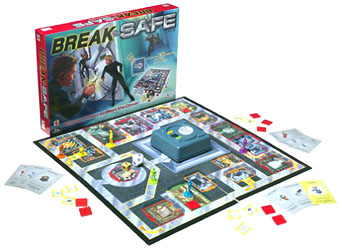
Plan a mission together
Look over the rooms and tools, share a short route idea, and leave room for the active player to choose.
Break the Safe
Historical profile and play idea
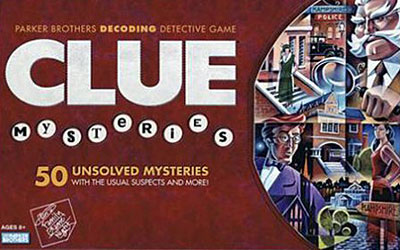
Keep a clue beside its meaning
Try an invented scarf mystery and separate a witness statement, its reliability and what follows from it.
Clue Mysteries
Travel through imagined worlds
Historical profile and play idea
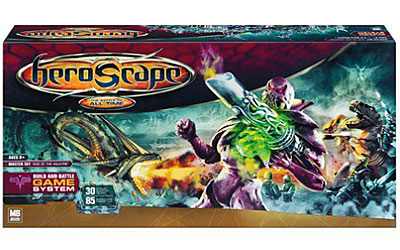
Give the landscape a visitor route
Make a three-stop terrain-tour brochure, with named landmarks and a guide who notices something at each stop.
Heroscape: Rise of the Valkyrie Master Set
Historical profile and play idea

Write a house captain’s log
Imagine the rooms of a house taking jobs on a space voyage, then record three discoveries and a homecoming.
Zathura: Adventure Is Waiting Board Game
Look for a match
Historical profile and play idea

Welcome pairs to a picnic
Try the cooperative returning-visitors variation, giving each reunited picture pair a job at an imaginary picnic.
Pokémon Memory Game
Historical profile and play idea

Meet the shapes at your own pace
Explore matching outlines before deciding whether a countdown and a popping tray suit the session.
Perfection
Explore the collection
Find a closer look at each toy, activity or historical report, grouped by what you would like to explore. The original index remains below with its earlier titles and wording.
Pictures, pieces and lively turns
- Ants in the Pants
- Candy Land Historical game profile
- Chutes and Ladders — Historical Game Profile Historical game profile
- Don’t Break the Ice Historical game profile
- Don’t Wake Daddy
- Fishin’ Around
- Hang in There Jungle Racing Game
- Hungry Hungry Hippos
- Let’s Go Fishin’
- Lucky Ducks
- Nutty Elephant
- Penguin Pat’s Fishy Business
- Perfection Historical game profile
- Pokémon Memory Game
- Wheels on the Bus Game
Questions, clues and shared missions
- Break the Safe
- Clue Mysteries
- Clue: Secrets & Spies
- Electronic Battleship Advanced Mission
- Guess Who? Historical game profile
- Guess Who? Extra
- Scooby-Doo Mystery Mine Game
Words, performance and conversation
- Cranium Historical game profile
- Deluxe Scrabble
- Disney Charades
- Girl Talk Historical game profile
- Mystery Date Electronic Phone Game Historical game profile
- So Sue Me Historical game profile
- Survivor Board Game Historical game profile
- Throw Me a Bone
- Trivial Pursuit Millennium Edition
- Trivial Pursuit: Star Wars Classic Trilogy Collector’s Edition
Boards, worlds and card strategies
- Connect 4x4
- Connect Four: Board Game and Electronic Handheld Historical game profile
- Disney Monopoly
- Heroscape: Rise of the Valkyrie Master Set
- Pokémon Master Trainer Board Game
- Star Wars Epic Duels
- Yu-Gi-Oh! 5D’s Starter Deck (2008)
- Zathura: Adventure Is Waiting Board Game
Electronic prompts and screen quizzes
Recall history and owner guidance
This historical profile explains the recall and points toward alternative play ideas.
- Cranium Cadoo Historical game profile
Choose for the people at the table
The right game fits the actual players, available time and mood. Check reading, waiting, decisions and the way the game ends before choosing by theme or box size.
Start with the group, then the game
Write down who is likely to play, how many people will usually be available and how long they want to sit together. A game that technically supports two players may feel different with a larger group. A reading-heavy game may work with an adult partner, but that changes the experience for both players.
Consider what happens between turns. Does everyone stay involved, watch another player's choices or wait with little to do? Also check whether players are eliminated early. These details are often easier to find in the rules than on the front of the box.
| If your group wants… | Look for… | Check carefully… |
|---|---|---|
| A short shared activity | Simple setup, brief rounds and a clear finish | Teaching and packing time as well as playing time |
| A common goal | Cooperative decisions and a shared outcome | Whether one experienced player can take over |
| A thoughtful contest | Choices with visible consequences | Waiting time and how far ahead players must plan |
| A lively group game | Frequent involvement and flexible participation | Reading, vocabulary, shouting, timers or performance demands |
| Play across experience levels | Readable information and a manageable first game | Whether help exposes secret information or changes fairness |
On a narrow screen, scroll the table sideways.
Read one turn before buying
You do not need to memorize the rulebook to learn from it. Find the setup, the actions available on a turn and the ending condition. Then imagine a new player doing each step. Can they see what matters and understand what their choice changes?
Use the publisher's instructions for the exact edition. Hasbro's instruction library, for example, searches by product name or number; a familiar title can have several versions. A travel edition, junior edition or electronic edition may have different rules and components.
- Information: how much reading, counting, color recognition or symbol matching is required?
- Handling: are cards easy to hold and pieces easy to distinguish and move?
- Decisions: is the fun mostly chance, memory, strategy, speed, negotiation or storytelling?
- Equipment: does this edition need batteries, an app, a disc player or replacement score sheets?
- Ending: can the game finish within the time your group actually has?
Make the first game easy to join
A short practice turn
Set out only what the official setup requires. Explain the goal, demonstrate a turn and let each player try one. Where the rules permit, use open information during this practice so questions are easy to answer. Then reset for the real game. Agree in advance whether anyone wants reminders, a partner or a break.
A listed play time may not include learning the rules, sorting components or helping a new reader. Leave breathing room. If you use a house rule or a shorter variant, tell everyone before starting and distinguish it from the published rules.
Cooperative games can offer a shared objective, but cooperation still needs room for each person's choices. Ask the active player what they want to do before suggesting a move. In competitive games, avoid quietly changing the rules to produce a preferred winner; choose an agreed adjustment or a different game.
Look beyond the first round
Ask what changes on another play: a different arrangement, new roles, another opponent or a fresh decision. Extra cards and expansions are useful only if the group wants more of that experience. A compact game that gets played can be a better fit than a large box with an impressive list of modes.
Check storage and setup in the space you use. A folding table may need to be cleared immediately; a long campaign may need a way to record progress. Sort pieces according to the rulebook, keep an inventory for secondhand purchases and find out whether the publisher offers replacement parts. Do not assume another edition uses interchangeable cards.
Keep the choice practical
Follow the product's age labels and warnings, especially where younger children can reach small pieces or batteries. The CPSC's toy guidance is a useful safety reference. Older electronic and DVD games may depend on equipment that is no longer convenient to use; inspect the exact edition rather than relying on a historical description.
These are selection criteria, not claims that every board game produces learning or health benefits. If your group prefers a shared task without turns, try the puzzle guide. For a particular learning activity, compare the questions in Educational Toys. For a larger gathering, Party Games covers group size, participation and practice rounds, alongside its historical collection.
If the group would rather follow a homemade clue trail, see Spy Toys for a shared mystery activity. For Pokémon cards, use Pokémon to distinguish collecting packs from choosing a starting point for the card game.
From the Toysit archive
Earlier coverage, with the original article titles. These pages document toys described in past seasons; availability, pricing, safety status and app support have not been reverified. Use exact model information when researching an older toy.
- 80s Trivia Game
- Ants in the Pants Board Game
- Break the Safe Board Game
- Cadoo from Cranium
- Candy Land Board Game
- Chutes and Ladders Game
- Clue Mysteries
- Connect 4x4
- Cranium Board Game
- Deluxe Scrabble
- Disney Charades
- Disney Monopoly Game
- Don't Break the Ice Game
- Don't Wake Daddy Game
- Electronic Battleship Advanced Mission
- Fib Finder Game Electronic
- Fishin' Around - fishing around game
- Game of Perfection
- Girl Talk Board Game
- Guess Who Game
- Electronic Guess Who Extra
- Hang in There Jungle Racing Game
- HeroScape
- Hungry Hungry Hippos
- Let's Go Fishin' - Fishing Game
- Lucky Ducks Game
- Mall Madness
- Mystery Date - Mistery Game
- Nutty Elephant Board Game
- Penguin Pat's Fishy Business Game
- Retro Toys
- Scene It DVD Trivia Game
- So Sue Me
- Sorry Card Revenge
- Star Wars Epic Duel Game Duels
- Star Wars Monopoly
- Survivor Board Game
- Throw Me a Bone
- Trading Cards
- Yugioh 5Ds
- Trivial Pursuit Millennium Edition
- Trivial Pursuit Star Wars Trilogy
- Wheels on the Bus Game
- Yu-Gi-Oh 5D Trading Card Game
- Zathura Board Game
A guide to evaluating toys, not a hands-on product test. Read our editorial approach.
Created for Toysit by Tabbloza — the artwork in our header.