
Play ideas to start with
Notice a detail, make a record and come back with a question. These historical profiles offer small observation projects, model comparisons and drawings that distinguish what a player sees from what a guide explains or a story invents.
Explore earlier toys through their play ideas and historical context. Each article explains its evidence and edition limits; these selections are reading routes, not a current buying list.
Look closely and return to the view
Historical profile and play idea
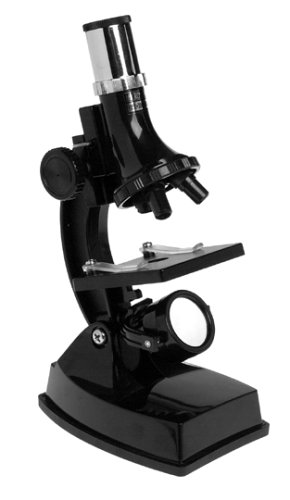
Draw a detail another observer can find
Sketch one visible edge or repeating shape, then invite a second observer to find it and add a detail.
Basic Microscope Kit
Historical profile and play idea
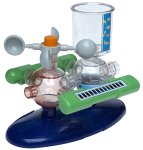
Give each weather observation its own line
Record the time, setup and a visible response, then compare entries made from the same observation spot.
Capsela Weather Station
Make a record worth revisiting
Historical profile and play idea
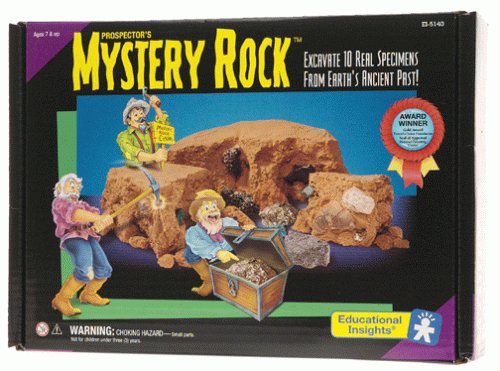
Open a three-exhibit miniature museum
Pair a drawing or suitable loose specimen with an observation label, then let a visitor match the description to the exhibit.
Prospector’s Mystery Rock: uncovering a miniature collection
Historical profile and play idea
Keep a change diary, one window at a time
Compare dated drawings from the same viewing position, or arrange four paper life-cycle cards and label the sequence as a model.
Butterfly Garden: following one transformation at a time
Find a pattern and give it a drawing
Historical profile and play idea
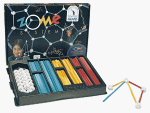
Compare a flat frame with a space frame
Follow the matching diagrams to build a square and a cube frame, then sketch the corners and edges that changed.
Zome System Pioneer Kit
Historical profile and play idea
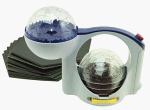
Give one star pattern two captions
Draw a pattern from a dome or star map, then make a separate imagined picture around the points and name your invention.
Star Gazer Planetarium: a small dome and a sky full of patterns
Explore the collection
Find a closer look at each toy, activity or historical report, grouped by what you would like to explore. The original index remains below with its earlier titles and wording.
Observation tools and records
- Basic Microscope Kit Historical science toy
- Capsela Weather Station Historical science toy
- Creature Keeper: a close look through green mesh
- Metal Detector with Detachable Handle
Finds and miniature collections
- Prospector’s Mystery Rock: uncovering a miniature collection
- Tyrannosaurus Fossil Hunting Kit Historical science toy
Butterfly observation histories
- Butterfly Garden: following one transformation at a time
- Butterfly Pavilion: sharing a window on metamorphosis
Sky displays and viewing tools
- Fisher-Price Discovery Projector and Telescope
- Glow-in-the-Dark Solar System Historical science toy
- Meade Polaris 60AZ-D Telescope
- Star Gazer Planetarium: a small dome and a sky full of patterns
Shapes and circuit models
- Edu Science Junior Electric Lab Historical science toy
- Zome System Pioneer Kit
Choose a question the child wants to explore
A useful science toy gives the player something to observe, measure or change. Start with the activity and the practical setup, then check whether the kit supports another investigation after the first result.
Choose the kind of investigation
A box can contain an experiment, an observation tool, a construction project or a demonstration. All can be enjoyable. The distinction helps set expectations about what the child will do and how much variation the materials allow.
| Activity | What to examine | Repeat-play question |
|---|---|---|
| Observe | Magnifiers, microscopes, weather tools and specimen viewers. | Can the child find new suitable things to observe using the same tool? |
| Experiment | Clear instructions, measurements and supplied consumables. | Can one factor be changed and the result compared? |
| Build a mechanism | Connections, moving parts, diagrams and troubleshooting help. | Can it be rebuilt in another arrangement? |
| Grow or care | Time, supplies, living-organism instructions and adult responsibility. | Can the household provide the ongoing care the activity requires? |
| Make a display | Assembly, explanation and a place to keep the finished model. | Does the finished object support further observation or mainly display? |
Scroll sideways on a small screen to compare all activities.
Read a sample of the instructions
Good instructions make the activity visible before purchase: what to prepare, what to do, what to observe and how to clean up. Look for a materials list that separates included supplies from things to obtain at home. A list of many “experiments” may include small variations using the same materials; judge those variations by how useful they are to the child.
For a microscope, examine the focusing controls, viewing method and sample preparation rather than choosing by the largest magnification number alone. For a weather tool, consider where it can be installed and how the child will record observations. For a rock tumbler, investigate cycle length, noise, consumables and the manufacturer's disposal instructions.
Think about waiting. Some activities deliver a result during one session; others need repeated observations over days. Match that rhythm to the child's interest and the adult time available.
If the kit is being chosen mainly for a learning claim, use Educational Toys to separate what the activity asks the player to do from the outcomes its marketing promises.
Turn a result into a question
An experiment becomes easier to interpret when the player identifies what changes and what stays the same. Science Buddies' guide to variables (PDF) explains this approach. A simple notebook with “question, change, observation, next try” is often more useful than a promise of educational benefit on the packaging.
A rolling-ramp investigation
For a child old enough for the materials, use a toy car and a short, stable ramp on a clear floor. Ask what happens when the ramp is slightly higher. Keep the same car, surface and starting method; release without pushing and compare where it stops. Repeat each setup. Keep the ramp low and away from people, pets and fragile objects.
Different results are a reason to look more closely: did the surface change, did the car veer, or was it released differently? The aim is to connect a question to an observation. A successful activity need not produce a dramatic effect.
Check supervision, supplies and cleanup
- Age and handling: follow the kit's age guidance, warnings and instructions, including requirements for adult supervision.
- Consumables: check whether replacements are available and whether ordinary substitutes are explicitly permitted.
- Workspace: plan a stable surface, storage away from younger children and the cleanup described in the instructions.
- Living things: read the full care plan before ordering; check any local rules and supplier directions about release.
- Magnets and small parts: examine the actual components and inspect them for damage. Keep loose powerful magnets away from children.
The CPSC's toy guidance covers age labels and small parts; its magnet safety page explains the serious ingestion hazard. Chemistry activities should follow the supplied procedures. Do not mix kit chemicals with household cleaners or invent substitutions.
Buy for the next investigation
Compare two candidate kits by naming three realistic uses for each. One might be the included activity, another a permitted variation, and the third a new observation using the same tool. If you can only describe the first demonstration, consider whether that one experience is worth the cost and preparation.
For mechanical projects, continue with Building Toys. For sensors and programmable movement, see Robot Toys. The older science products below remain available as historical reading; check exact models against current recalls and obtain the correct instructions before using an older kit.
From the Toysit archive
Earlier coverage, with the original article titles. These pages document toys described in past seasons; availability, pricing, safety status and app support have not been reverified. Use exact model information when researching an older toy.
- Animal Planet Ant Farm
- Basic Microscope Kit
- Best Microscope for Kids
- Butterfly Garden
- Butterfly Pavilion
- Cheap Rock Tumblers
- Discount Rock Tumblers
- Chemistry Set to Buy for Kids, Elementary Experiments, Simple Easy and Advanced Projects
- Cheap Affordable Inexpensive Metal Detector
- Electronic Lab Kit
- Extreme Ants
- Fisher Price Telescope
- Fossil Hunting Kit
- Geology Rock Collection Kit
- Glow In The Dark Solar System
- Home Planetarium
- Insect Container
- Live Frog Habitat Kit
- Magnet Set Science Toy
- Magnetics
- Meade Polaris Telescope
- Rock Tumbler Kit
- Smithsonian Science Toys
- Starter Rocket Kit
- Uncle Milton Ant Farm
- Weather Lab Kit
- Weather Station Science Toy
- Zome System Construction Kit
A guide to evaluating toys, not a hands-on product test. Read our editorial approach.
Created for Toysit by Tabbloza — the artwork in our header.