
Play ideas to start with
Give a character a role, a visitor and a reason to move between scenes.
Explore earlier toys through their play ideas and historical context. Each article explains its evidence and edition limits; these selections are reading routes, not a current buying list.
A character with a purpose
Historical profile and play idea
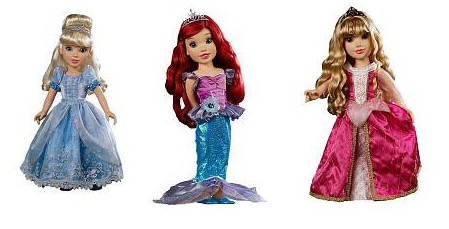
Welcome a guest
Plan a royal visit around one ordinary discovery and a keepsake.
Disney Princess & Me: invite a princess into an everyday adventure
Historical profile and play idea
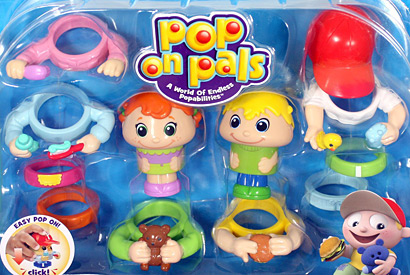
Change the job, change the story
Let a costume detail suggest two helpful roles in a garden and music corner.
Pop On Pals: change an outfit and give the character a new job
Historical profile and play idea

Plan a pet-sitter’s day
Give a pretend pet a preference, two stops and a short handover to its owner.
Blythe Littlest Pet Shop: plan a pet-sitter's little day
Build a shared world
Historical profile and play idea
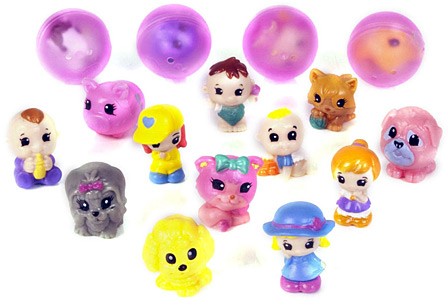
Meet the neighborhood
Draw four places and connect three tiny characters through a message and a meeting.
Squinkies: build a tiny neighborhood one character at a time
Historical profile and play idea
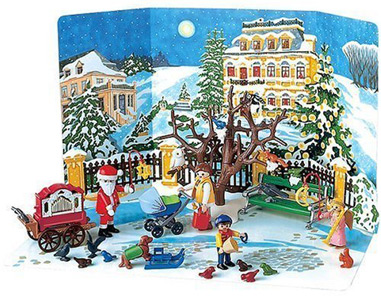
Let the scene grow
Add one visitor or object at a time to an imagined winter-park story.
Playmobil Advent Calendar: let a winter park story grow one piece at a time
Place history and storytelling activity
A doll’s day in three rooms
Explore the original New York store’s history, then draw a book corner, café and stage for a doll’s outing.
American Girl Place: A Doll’s Day in a Story-Filled Store
Explore the collection
Find a closer look at each toy, activity or historical report, grouped by what you would like to explore. The original index remains below with its earlier titles and wording.
Companion visits and miniature neighborhoods
- Blythe Littlest Pet Shop: plan a pet-sitter's little day
- Dazzling Princess Dolls: three tiny symbols, three new stories
- Disney Princess & Me: invite a princess into an everyday adventure
- Disney Rapunzel doll: tell the story of a first journey
- Dot Richardson Girls Explore Doll
- Moxie Girlz: make a studio for two different interests
- My Beautiful Mermaid
- Pop On Pals: change an outfit and give the character a new job
- Soda Pop Girls: give a doll and her pet a colorful hometown
- Squinkies: build a tiny neighborhood one character at a time
- Strawberry Shortcake Berry Best Friends
Dressing, styling and performance
- Betty Spaghetty Glo Crazy
- Cher Doll
- Dance Around Dora
- Dress and Dance Dora
- Electronic Hula Heather
- Fashion Snap Patti
- Flavas Dolls: Happy D and Fashion Play
- Hula Dancing Lilo
- iCarly Fashion Switch Figures: give a mini show two different takes
- Mary-Kate Super Spa Day Doll
- Movie Magic with Mary-Kate and Ashley
- My Beautiful Ballerina
- Suds and Surprise Dora
- Teen Trends Dolls
- What’s Her Face! Doll
Talking and responsive characters
- Amazing Ally
- Amazing Amanda
- Amazing Maddie
- Draw With Me Boo
- Hop Along Katie
- Kai-lan Special Friend
- Lemonade Lisa
- Magical Friends Singing Dora
- Robo Baby
- Rugrats Bounce and Babble Dil
- Twinkleberries School Starter Set
- ¡Eso Es! Maya
Small rooms and seasonal settings
- Monster High High School Playset (X3711)
- Playmobil Advent Calendar: let a winter park story grow one piece at a time
- Shorties Gia Doll and Room
Place history and storytelling
- American Girl Place: A Doll’s Day in a Story-Filled Store Place history and storytelling activity
Recall history and owner guidance
This historical profile explains the recall and points toward alternative play ideas.
Choose the play before the doll
Start with what the player wants to do: carry a companion, dress a character, invent a story, pose a figure or explore an electronic response. Then check size, handling, accessories and care. A familiar face on the box is only part of the choice.
Match the doll to the activity
A doll can be a character the child directs or a toy with a more prescribed set of actions. Neither needs to do everything. A simple doll may leave more of the conversation to the player; a doll with recorded phrases may appeal because of those particular phrases. Ask which experience the person receiving it actually wants.
| Main activity | What to examine | A useful question |
|---|---|---|
| Carry and pretend-care | Weight, body construction, clothing and cleaning directions | Is it comfortable to hold and easy to put away? |
| Dress and style | Fasteners, garment openings, hair-care instructions and compatible extras | Can the player change the outfit without constant help? |
| Act out a story | Size, seating position, movable joints and useful props | Does it work with the world the child already makes? |
| Listen and respond | Actual controls, repeated phrases, volume, batteries and app requirements | What can the player do when the sound is off? |
| Pose or display | Stands, delicate details and intended age/use | Is this meant for everyday play or careful display? |
On a narrow screen, scroll the table sideways.
Check the fit of hands, clothes and furniture
Height alone does not establish compatibility. Dolls of similar height can have different body proportions, feet, hands and joint movement. Check the maker's stated fit for clothing and accessories, then look at the activity: can the doll sit in the chair, pass through the doorway or hold the prop?
- Handling: consider the whole doll's weight and the force needed to move its joints.
- Dressing: examine closures and sleeve openings; a small outfit may be harder to manage than the doll itself.
- Furniture: compare seat width and height with the doll's seated position, not just the advertised scale.
- Accessories: count the pieces the player will use and plan a container for them.
- Representation: ask what appearance or character interests the recipient rather than assuming a preference.
For a larger setting, use the Doll Houses guide. A few existing props can be enough to begin; a complete matching collection is not a requirement for a story.
Leave room for the story to change
The same character, a different day
Choose an age-appropriate doll and two suitable props already available. The character might be getting ready to visit a friend, packing for a journey or opening a pretend shop. Let the player decide what happens. On another day, keep the doll and change one prop or the destination. Ask about the new story instead of supplying the ending.
This is an invitation to play, not a developmental test. The child can repeat a favorite scene, change the character's name or decide that the doll has a completely different job. Follow the activity they enjoy rather than turning every moment into a lesson.
Find the care instructions before a cleanup
Hair, fabric bodies, painted surfaces and electronics can need different treatment. Read the instructions for the exact doll before washing, brushing, styling or using a cleaner. Do not assume a vinyl face means the whole doll can go in water.
American Girl's doll-care FAQ, for example, distinguishes hair-care questions and repair options. It illustrates why a maker's guidance matters; it is not a cleaning method for every doll. Keep the product name or number so you can find appropriate care and replacement information later.
For an electronic doll, list everything needed beyond the box. Check whether an app, account or continuing service is required, and whether the toy's core play works without them. The Talking & AI Dolls guide explains the difference between recorded dialogue, recognized commands and generated conversation.
Make a choice that fits ordinary play
Follow product age labels and warnings, including those for small accessories and batteries. The American Academy of Pediatrics' toy-buying guidance explains why labels and small components deserve attention. For secondhand dolls, identify the model and check recall information as well as its physical condition.
Choose for the activity and upkeep you can actually support. This guide does not promise therapeutic or educational results. For pretend care, use Baby Dolls. For dressing, editions and accessory fit, compare Barbie, Bratz and My Scene. Each guide separates practical choosing questions from its preserved historical coverage.
From the Toysit archive
Earlier coverage, with original titles and descriptions preserved as historical material. These descriptions include the promotional wording and claims of their time; they are not current operating instructions, safety assurances or product recommendations. Availability, pricing and app support have not been reverified. Identify the exact model and consult its current instructions and recall information.
- Amazing Ally with Kitten - An amazing doll with a kitty that girls love.
- Amazing Amanda interactive doll has voice recognition, sensory technology, and articulated animatronics to offer nurturing play.
- Amazing Maddie Doll - Amazing Ally's best friend.
- American Girl Place - Experiential retail store with shopping, dining, and theater
- Baby Dolls
- Barbie Doll Pictures, Prices, History - Airplane, Amusement Park, Answering Machine, Barbie Doll Games, Camping, Cash Register, Celebration, Cooking, Cool Clips, Dream House, Fashion Kitty, Fashion Party, Fashion Puppy, Grand Hotel, Hollywood Nails, Jeep, Magic Key House, Malibu Barbie Doll, My Size Barbie, Nutcracker, Olympic Skater, Pajama Fun, Pilot, Pretty Flowers, Radio House, Rain or Sun, Rainbow Horse, School Cool Barbie, Secret Messages, Shake It Nails, Starlight Fairy, Starlight Unicorn, Stroller Krissy, Sugarplum Princess, Super Slide Kelly, Tour Bus, Volkswagen
- Barbie
- Betty Spaghetty
- Bratz
- Butterfly Princess
- Cabbage Patch
- Cher
- Cinderella Castle - Disney Princess : Cinderella Magical Musical Castle.
- Cuddly Kelly
- Dazzling Princess
- Disney Princess and Me doll - Eighteen inch royal doll of Cinderella, Ariel, or Aurora.
- Disney Rapunzel doll - Beautiful doll with long hair from the movie Tangled.
- Diva Starz 2
- Doll Houses
- Dance Around Dora - Dora the Explorer magically sings, twirls around, and dances on her toes.
- Dora Links - Dora doll solves mysteries in an online world.
- Snow White and Friends Doll - Fairy tale Disney princess lights up and plays music.
- Suds and Surprise Dora - Fisher-Price warm water magic Dora the Explorer bathtub doll.
- We Did It Dora - Dancing Dora doll sings and speaks in English and Spanish.
- Dress and Dance Dora explorer doll dances differently depending on which dress she wears.
- Electronic Hula Heather
- Fashion Dolls
- Fashion Snap Patti
- Forever Best Friends six collectible fashion dolls with trendy accessories that represent the theme of close friendship.
- Funk and Glow Bratz - Girls with a passion for fashion.
- Hide and Seek Hayley interactive doll gives verbal clues to her location through special handheld unit.
- Hop Along Katie
- iCarly Fashion Switch Figures - Mix, match, style and restyle their looks.
- Kai-lan Special Friend - Highly interactive doll whose heart changes color depending on her emotions.
- Key Charm Cuties
- Lemonade Lisa - Makes real lemonade.
- Lilo Doll
- Blythe Littlest Pet Shop - Pet sitter doll has outfit that matches the pet she watches.
- Loving Family
- Magic Megan
- Magical Singing Dora
- Makeup Mindy
- Eso Es Maya bilingual talking fashion doll says phrases in English and Spanish.
- Monsters Inc Doll
- Movie Magic
- Moxie Girlz - New tween girl dolls with attitude, style, and interchangeable fashions.
- My Beautiful Ballerina
- My Beautiful Mermaid - Her hair turns pink underwater, she sings, and one touch and her jewels light up.
- Olympic Doll encourages girls to strive for their goals by looking up to role models in science, sports, and business.
- Polly Pocket Partay Bus toy double decker party ride comes with doll elevator and dance game with lights and music.
- Phyllis Parkin's
- Playmobil Advent Calendar - Diverse backgrounds and figures to celebrate the holiday season.
- Polly Magic Fashion Stage - Polly Pocket pop n lock style platform.
- Quick Clicks Polly Pocket Quik-Clik House of Style Playset
- Snow Cool Hotel Polly Pocket winter playset.
- Polly World Amusement Park and Playset - Polly Pocket Amusement Park Giftset.
- Pop On Pals - Easy-pop-on mix-and-match figures.
- Precious Moments
- Radio Disney Pop Dreamers - Ari, Gabriella, Ella - They talk together.
- Robo Baby
- Sailor Moon
- Shorties miniature dolls Gia, Nia, and Zia are two inches high and come with fashion accessories, tiny playset, and interactive pets.
- Pretty Light Sky Dancers flying dolls that launch with lights and make magical sounds while their shoes and necklaces light up.
- Soda Pop Girls
- Squinkies - Collectible numbered figures that come in bubbles.
- Strawberry Shortcake Berry Best Friends
- Teenies Dolls mini fashion figures with poseable legs and magnetic feet that trigger toy actions, lights, sounds, and voices.
- Teen Trends Dolls poseable stylish teen fashion dolls come with their own closet carrying cases.
- Totally Trolls
- Twinkleberries Radica interactive dolls where you can play school as the teacher while the students respond to you.
- We Did It Dancing Dora the Explorer - Wonderful doll from Nick Junior television show.
- What's Her Face Doll - Girls can redesign any What's Her Face doll by changing her face, hairstyle, and clothing on a whim.
- Winx Club Dolls fairies playset with magical castle features light-up wings, fashion accessories, and collectible trading cards.
- Wizard of Oz Playset Game - Recreate the fantastical adventures of Dorothy and her friends.
A guide to evaluating toys, not a hands-on product test. Read our editorial approach.
Created for Toysit by Tabbloza — the artwork in our header.