
Play ideas to start with
What happens when you change one mark, color or scene? Choose a drawing to revise, a little series of pictures or a shape to make with your hands. The idea can begin with materials you already have.
Explore earlier toys through their play ideas and historical context. Each article explains its evidence and edition limits; these selections are reading routes, not a current buying list.
Marks and color
Historical profile and play idea

Sketch and change your mind
Begin with a familiar shape, add a clue and trade drawing-and-guessing roles.
Magna Doodle
Historical profile and play idea

Explore color choices
Plan two cards with one color choice changed. Use the matching machine guide for operation and permitted materials.
Paint ’n Swirl Art Machine
Pictures that tell a story
Historical profile and play idea

Change one detail
Draw a place twice, changing one detail to send its character into a new story.
Artist Easel for Children
Historical profile and play idea

Tell a story in pictures
Carry a recognizable character through four pictures: arrival, discovery, surprise and homecoming.
Easel Pad Newsprint Paper
Historical profile and play idea
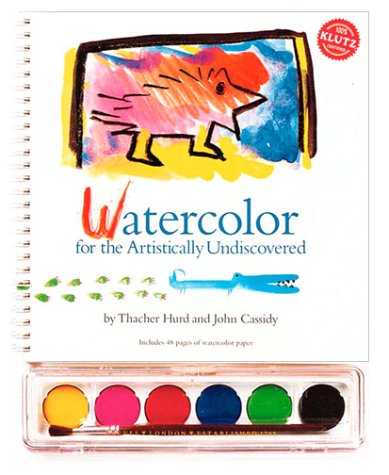
Keep a tiny travel journal
Imagine morning, afternoon and evening in a tiny travel journal; crayons and ordinary paper work too.
Watercolor for the Artistically Undiscovered: paint a tiny travel journal
Lines become shapes
Historical profile and play idea

Draw with bendable strands
Bend a flat outline, change a strand and explore a small construction using the kit’s own guidance.
Bendaroos
Explore the collection
Find a closer look at each toy, activity or historical report, grouped by what you would like to explore. The original index remains below with its earlier titles and wording.
Drawing, light and digital pictures
- Crayola Color Explosion Historical toy report
- Crayola Glow Dome
- Crayola Trace and Draw Projector
- Crayon Holder: a small invention with a new picture to draw
- Digital Arts and Crafts Studio
- Electra Doodle
- Flash Art Lite Brite FX
- Glow Doodle
- Jammin’ Draw: give a drawing its own soundtrack
- Lazer Doodle
- Lights Alive: marker pictures that become glowing signs
- Lite-Brite Cube
- Lite-Brite Easel
- Lite-Brite: build a glowing picture for an imaginary town
- Magna Doodle
- Pixter Color
- Pixter Multimedia: a handheld studio for pictures and scenes
- SpectraColor Image Pad: a picture made from points of color
- Splatster
- ViewMaster Historical report with play guide
Paint, print and mark-making
- Blo Pens Deluxe: make a stencil scene with a story
- Butterfly Painting Kit
- Crayola Crayon Maker
- Crayola Hand-Pumped Marker Airbrush
- Crayola Paint Mixer
- Crayola Wacky Roto Art
- Glass Painting Jewelry Box Kit
- Horse Painting Kit
- Me-Too Play Tent
- Musical Fingerpaint
- Paint ’n Swirl Art Machine
- Sea Life Figurine Painting Kit
- Sidewalk Chalk Spray Stencil Art Set
- Warhammer 40,000 Starter Paint Set
- Watercolor for the Artistically Undiscovered: paint a tiny travel journal
Paper, easels and supply collections
- Art Supply Kit
- Artist Easel for Children
- Artist Easel With Art Supplies
- Complete Art Supply Case
- Crayola Paint Can
- Easel Pad Newsprint Paper
- Toddler Art Center Deluxe Alpha Desk
- Totally Me Artist Portfolio Art Kit
Modeling and pretend scenes
- Aqua Sand Polar Playground
- Moon Sand Amusement Park
- Nickelodeon Skweez: give a shaped animal a little adventure
- Play-Doh Creativity Table
- Play-Doh Doggy Doctor
- Play-Doh Dohville
- Play-Doh Dr. Drill ’n Fill
- Play-Doh Ice Cream Shop
- Play-Doh Perfect Twist Ice Cream Playset
- Play-Doh Pokémon Character Maker
- Pottery Wheel Toy: design a little vessel with a purpose
- Zubber Starter Kit: plan a cast of colorful little characters
- Zyrofoam: imagine a garden of rounded shapes
Strands, beads and small constructions
- Bead a Bug Kit
- Beaded Flowers and Butterflies
- Beeswax Candles and Bee-havior Kit
- Bendaroos
- Crayola Sand Art Carousel
- Ello Fairytopia: build a meeting place for fairies
- FunLoom
- Fuzzoodles
- Metallic Bead Pets
- Pixos Super Studio: design a tiny picture with a message
- PixOs Ultimate Design Station: sketch a small scene with depth
Historical media
- Moon Sand Historical media entry
Choose something the child can make their own
Start with the activity: drawing, painting, shaping, printing or assembling. Then check the work surface, materials, adult help and cleanup. A large box of supplies is useful only if it supports the kind of making the child wants to do.
Choose a medium and a workable space
This guide uses “art toys” to mean children's creative materials and activity sets. Designer collectibles and display figures are a different subject. Here the central question is what the player can create, alter or try again.
| Activity | Room to explore | Practical checks |
|---|---|---|
| Drawing and coloring | Marks, lines, pictures and stories | Grip, paper supply, caps and permitted surfaces |
| Painting and printing | Color, texture and repeated patterns | Surface protection, water, drying space and washing instructions |
| Dough or modeling | Shapes that can be changed and rebuilt | Ingredients, storage, drying or curing requirements |
| Collage and construction | Combining materials into a new object | Suitable scissors, adhesives, small pieces and workspace |
| Guided craft kit | A particular object or technique | Adult steps, one-use parts and what remains after completion |
| Digital or reusable drawing toy | Quick revisions and repeated attempts | Saving or exporting work, replacement tools and device requirements |
On a narrow screen, scroll the table sideways.
Decide how much structure is welcome
Some children want to follow a project; others want materials without a prescribed result. A guided kit can make an unfamiliar technique approachable. An open-ended set leaves more decisions about subject, color and shape to the maker. Consider which experience the child is asking for, and whether the instructions leave room for changes.
NAEYC's explanation of process-focused art describes an approach centered on exploring materials rather than copying a finished sample. One useful way to apply that idea is to describe a choice you notice and invite the child to explain it, rather than judging how closely the work resembles a model.
One sheet, several kinds of marks
Offer suitable paper and a small selection of age-appropriate crayons or markers. Invite the child to try dots, long lines, tiny shapes or a pattern of their own. They can turn the marks into a picture, repeat them or stop there. Keep the tools within their intended use and let the maker decide when the page is finished.
Do not treat this activity as a lesson the child must complete. An unexpected result can simply be part of making something.
For a design prompt built around outfits, patterns or styling, see Fashion Toys. Its paper-outfit activity offers a starting point while leaving the design choices to the maker.
Read labels before choosing supplies
The CPSC's Art and Craft Safety Guide (PDF) has a section on selecting children's materials and supervising their use. Choose supplies intended for the child's age and activity, read the complete label and keep adult hobby materials separate.
For art materials, look for the ASTM D-4236 conformance statement and any accompanying warnings. That statement concerns hazard review and labeling; it does not mean a material is edible or suitable for every age or use. Follow product-specific directions, including cleanup and ventilation requirements.
- Ingredients: check labels for ingredients relevant to the person using the material; do not guess from a product name or smell.
- Tools and small parts: match scissors, beads, fasteners and other components to the age guidance and supervision required.
- Heat or curing: identify adult-only steps before buying. An oven, heated tool or curing process changes the activity considerably.
- Workspace: keep food and drinks away, protect the surface and wash hands after the activity.
Ask what happens when supplies run out
Count useful materials rather than the number printed on the box. Several tiny paint pots or accessories may inflate a set's apparent size. Check whether ordinary paper works, whether refill materials are identified and whether a reusable tool still has a purpose after the supplied project is finished.
“Washable” and “mess-free” claims need their conditions read. Find the maker's directions for surfaces, fabrics and cleaning; do not assume a name promises an easy result on every material. Include drying and storage space in the choice, especially for paintings, glued constructions and models that cannot be put away immediately.
Some children prefer to keep every creation, while others want to erase or reshape it. Ask before discarding, photographing or changing their work. A simple folder, drying place or shelf can be more useful than adding another kit.
Choose the next invitation
After a few sessions, notice which tools actually get used. Replace a favorite material, try one new technique or offer a different size of paper before buying a much larger set. The next activity can follow the child's interest without a promise of therapeutic or developmental results.
For work that connects pieces into structures, compare Building Toys. For questions about learning claims, see Educational Toys. Computer-connected art tools also need the app, account and support checks in Kids Electronics. The historical collection below includes older materials and devices whose current instructions and availability must be checked individually.
From the Toysit archive
Earlier coverage, with the original article titles. These pages document toys described in past seasons; availability, pricing, safety status and app support have not been reverified. Use exact model information when researching an older toy.
- Amazing Elastic Plastic
- Art Craft Projects for Kids
- Art Kit Set Paint Watercolor Brushes
- Art Supply Kit
- Artist Apron Smock for Children
- Aqua Sand Polar Playground
- Artist Easel for Children
- Artist Easel with Art Supplies
- B Stylin Button Designer
- Bathtub Fingerpainting Kit with Bath Tub Finger Paint
- Bendaroos Magical Wax
- Blo Pens Deluxe
- Butterfly Painting Kit
- Candle Making Craft Kit
- Crayola Color Explosion
- Complete Art Supply Case
- Crayola Crayon Maker
- Crayola Dough
- Crayola Glow Dome
- Crayola Mess Free Wacky Roto Art Paint Set
- Crayola Paint Can
- Crayola Paint Mixer
- Crayola Sticker Maker
- Crayola Trace and Draw Projector
- Crayon Holder
- Digital Arts and Crafts Studio
- Easel Pad Newsprint Paper
- Electra Doodle
- Electra Light Black Light Desk
- Ello Fairytopia
- Figurine Painting Kit
- Flash Art Lite Brite FX
- Foil Magic
- Fuzzoodles
- Fuzzy Flower Maker
- Glow Doodle
- Gooze
- Horse Painting Kit
- Jammin' Draw Music Art Toy
- Jeweltastic Factory - Glamour Gear Girl Bead Toy - Just Jewels
- Lazer Doodle
- Light Bright Cube
- Lights Alive
- Lightastix
- Lite Brite Easel
- Lite Brite
- Magna Doodle Drawing Toy
- Melt-O-Matic
- Moon Sand Amusement Park
- Musical Fingerpaint
- Nickelodean Skweez
- Paint and Play Tent
- Paint and Swirl Art Machine
- Pixos
- PixOs Ultimate Design Station
- Pixter Color
- Pixter Multimedia
- Plate Painting Kit
- Play-Doh
- Playdough Doggy Doctor
- Dohville
- Play-Doh Ice Cream Shop
- Playdoh Dentist Set
- Playdough Creativity Table
- Pottery Wheel Toy
- Power Beads Craft Set
- Sand Art Project Kit
- Shrinky Dinks Oven Toy
- Sidewalk Chalk Spray Stencil Art Set
- Spectracolor Image Pad
- Splat Mat Mania
- Splatster
- Splatter Dome
- Toddler Art Center
- Totally Me Artist Portfolio Art Kit
- ViewMaster
- Warhammer 40,000 Paint Set
- Zubber
- Zyrofoam
A guide to evaluating toys, not a hands-on product test. Read our editorial approach.
Created for Toysit by Tabbloza — the artwork in our header.